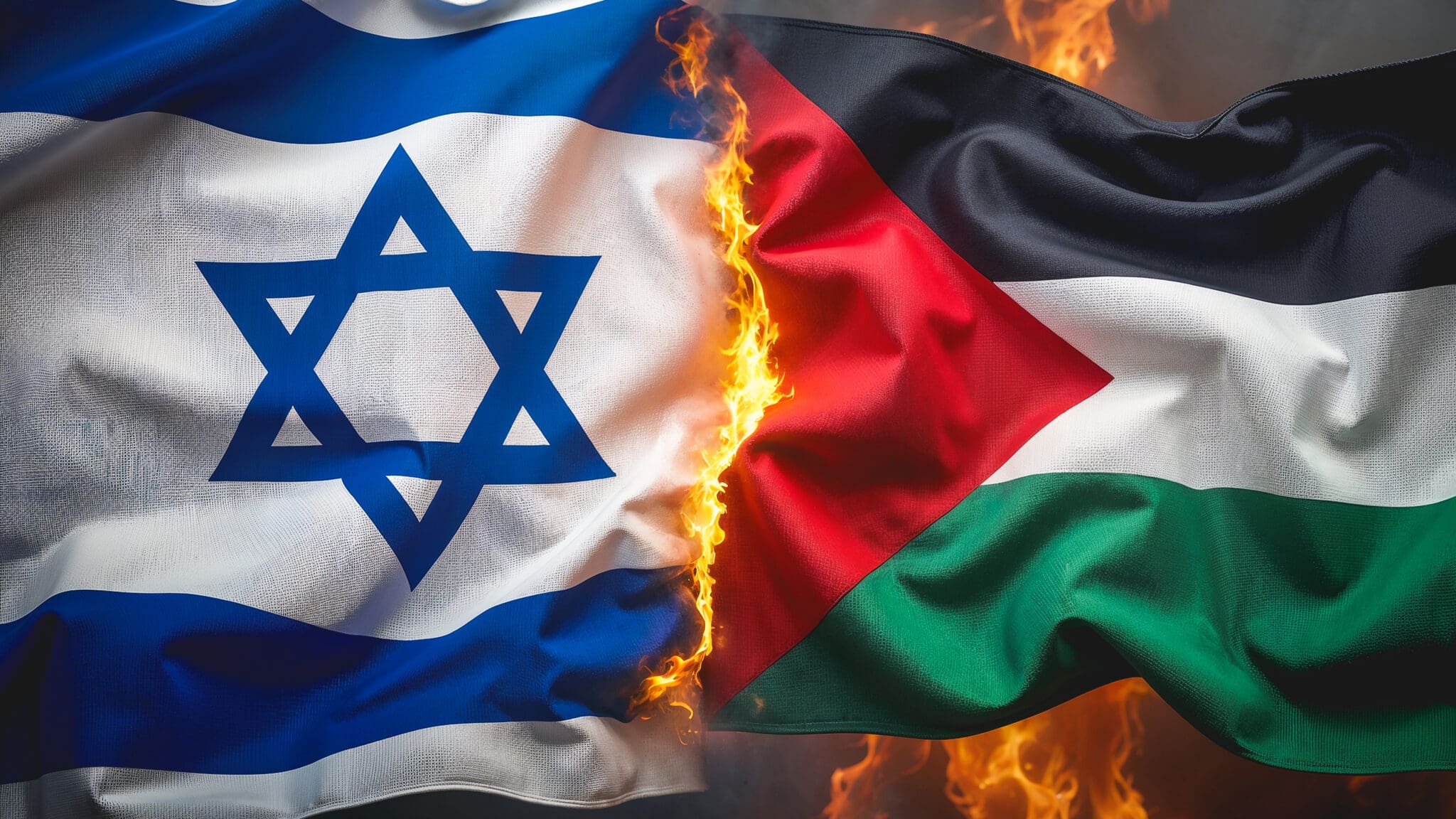
Of Course It’s Not Genocide; But Why?
Why “Genocide” Is the Wrong Word for Gaza
Few words in politics are more powerful than genocide. The charge is not just rhetorical. Under the 1948 United Nations Genocide Convention, if a state commits genocide, the rest of the world is legally obligated to act. That is why debates about Gaza and whether Israel is committing genocide are so heated, and why precision matters.
What the Law Says
Article 2 of the Genocide Convention defines genocide as certain acts committed “with intent to destroy, in whole or in part, a national, ethnical, racial or religious group, as such.” Killing is part of it, but so too are inflicting serious harm, creating destructive conditions of life, preventing births, or seizing children.
The key is intent. Genocide is not just large-scale killing—it is killing because of who the victims are. International courts have stressed that this “special intent” is what separates genocide from other international crimes such as war crimes and crimes against humanity.
Why That Matters for Gaza
By this legal standard, every tragic war is not automatically genocide. Most wars aim to defeat an enemy, not to eradicate a people as such. That distinction is at the heart of the current debate.
Critics of Israel point to staggering civilian casualties, the destruction of infrastructure, and harsh rhetoric from some officials as evidence of genocidal intent.
Defenders of Israel respond that the target is Hamas, not Palestinians. They argue that while civilians are suffering at a devastating scale, there is no organized Israeli policy to destroy Palestinians because they are Palestinians.
Two further observations undercut the genocide claim. First, Palestinians outside Gaza—whether in the West Bank, Jerusalem, or elsewhere—are not subjected to the same conditions. If Israel’s goal were to destroy Palestinians as a people, geography would make no difference. Second, even in Gaza itself, where Palestinians are concentrated and vulnerable, Israel has not seized upon that fact to indiscriminately wipe out the population. These facts are difficult to square with an accusation of genocidal intent.
The Hamas Factor
None of this absolves Israel of responsibility for civilian deaths. But Hamas plays a central role in why Gaza’s civilians are so vulnerable. Its fighters routinely embed themselves in homes, schools, and hospitals. This violates a bedrock principle of the laws of war: the duty of distinction, which requires combatants to separate military targets from civilians. By flouting this duty, Hamas commits a war crime that directly contributes to the civilian toll.
The hostage crisis makes matters worse. By refusing to release the civilians it abducted during the October 7 attacks, Hamas not only endangers the hostages but also prolongs the conflict and provides Israel a continuing justification for military operations. Every day the hostages remain in captivity, the prospects for de-escalation fade and the suffering of ordinary Gazans intensifies.
Finally, Hamas’s rule in Gaza complicates the picture further. Some Gazans support it; others may oppose it but lack the power to resist or replace it. Either way, the population remains closely bound to a militant organization that deliberately entangles civilians in its war against Israel. That entanglement creates tragedy—but it does not transform Israel’s campaign against Hamas into a campaign to eradicate Palestinians as a people.
Why Words Matter
Accusing a state of genocide is not the same as accusing it of reckless conduct or even war crimes. It is a claim that the state is attempting to annihilate a people. If proven, it demands international intervention. That is why the word should not be used loosely.
What is happening in Gaza is catastrophic. Civilians are dying in horrifying numbers. Families are displaced. Entire neighborhoods are reduced to rubble. These realities may amount to war crimes or crimes against humanity, and they deserve accountability. But genocide, in its strict legal sense, requires something more: intent to destroy Palestinians because they are Palestinians.
So far, that intent has not been demonstrated. The fact that Palestinians outside Gaza are not targeted in the same way, that Israel does not exploit Gaza’s concentration of civilians for indiscriminate extermination, and that Hamas itself deepens the tragedy by violating the laws of war and holding hostages—all weaken the genocide claim.
The suffering in Gaza should be confronted honestly and urgently. But misusing the word genocide risks obscuring the real crimes, complicating peace efforts, and diluting the meaning of one of the most serious charges in international law.